More Choice In Your Day
Being able to do something for yourself, whether choosing shopping or making a drink, can support a sense of control. The meaningful goal is the one you choose.
 THE ORIGINAL WRAP-AROUND WALKER
Explore the emotional meaning of supported mobility, beginning with a neurologist's published perspective.
Read personal experiences ↓These are ways that appropriate mobility support may help someone take part in life. The experience and emotional response vary from person to person.
Being able to do something for yourself, whether choosing shopping or making a drink, can support a sense of control. The meaningful goal is the one you choose.
For some people, standing upright makes eye-to-eye conversations feel more comfortable. Everyone deserves to be included and addressed directly, whatever their posture or mobility aid.
A visit, a shared activity or a trip to a familiar place may create opportunities for company. Accessible routes, the right support and opportunities to rest still matter.
Support that feels right for the person may make an activity feel more manageable. Small, achievable goals can help rebuild confidence without pressure to go further than feels appropriate.
Cooking, music, study, work or spending time with family can be as meaningful as the distance walked. More opportunity to take part may bring satisfaction and happiness.
Appropriate physical activity can support mood and wellbeing. Choose movement that fits your condition, energy and rehabilitation advice, including rest and any prescribed limits.
During demonstrations, we have seen people cry with happiness simply at being able to stand tall. For that person, the moment can represent freedom, a possibility they had missed, or the chance to do something for themselves.
These are Martyn OBrien's first-hand observations, shared as personal experiences. An emotional moment does not tell us what someone will experience over time, or show that a device treats a mental health condition.
Confidence, being included and everyday choices appear in these personal accounts. Follow each story for its own context.
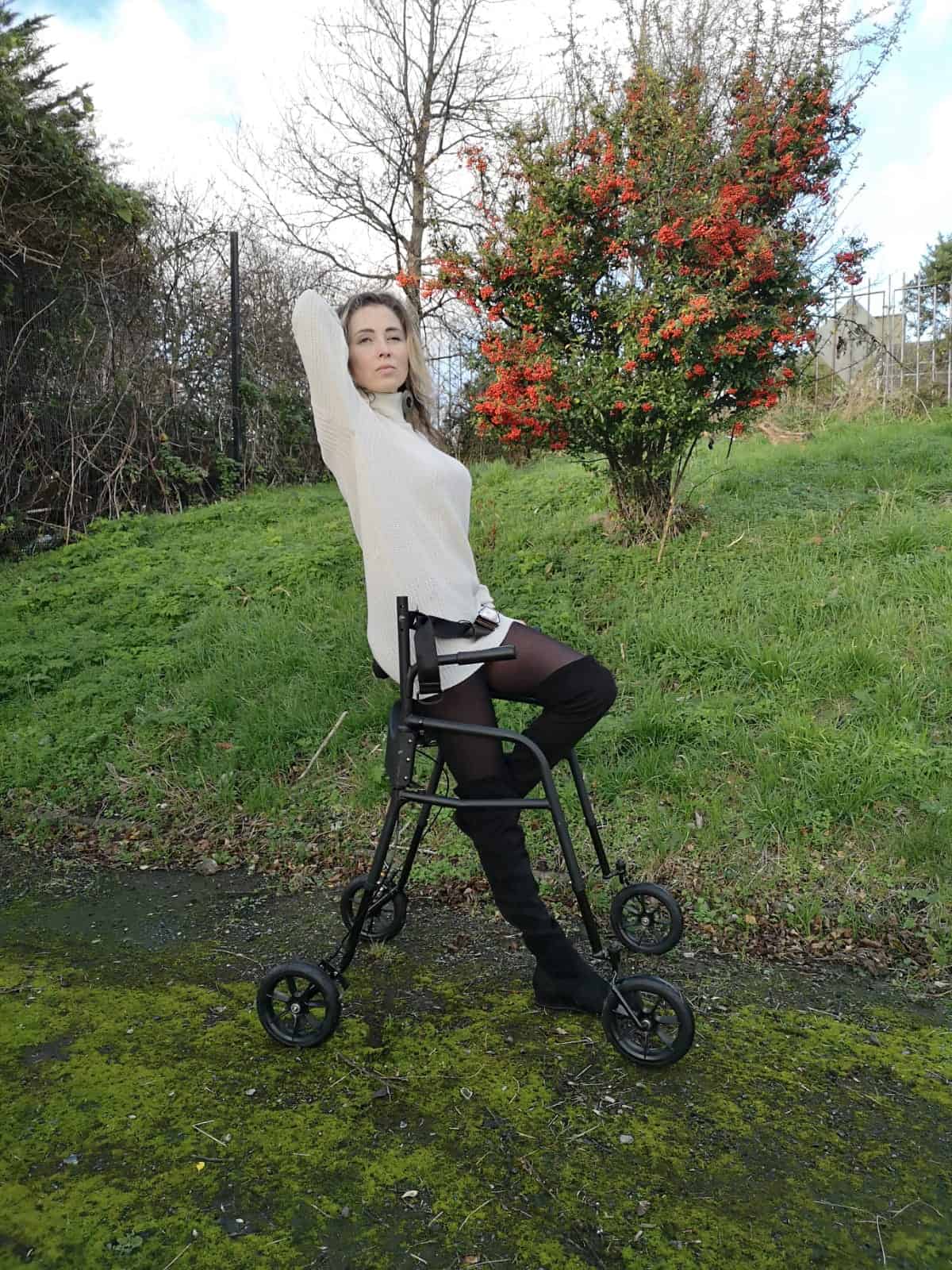
Lana told Martyn how upsetting it could feel when people addressed her companion rather than speaking to her. Her Dublin update explains why supported walking and being part of the conversation matter to her.
Read the full story ↗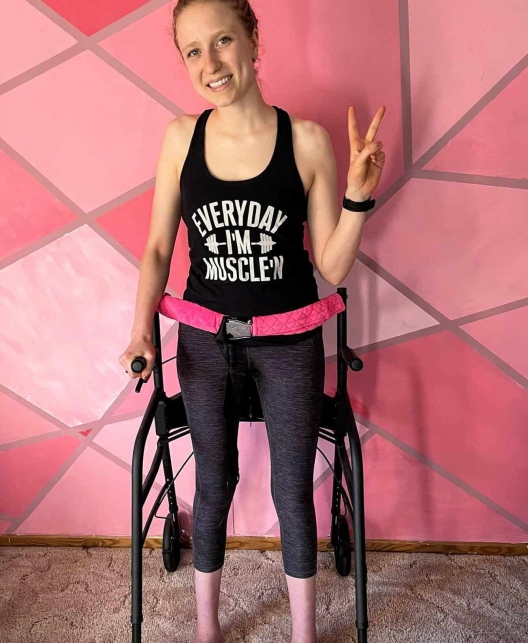
Kelly describes wanting support she could trust when her legs buckled. Her account centres on moving with greater confidence and taking part in ordinary activities.
Read the full story ↗
McKenna describes standing to cook, getting a snack herself and dancing. Her story illustrates how everyday choices and enjoyable activities can matter to the person using mobility support.
Read the full story ↗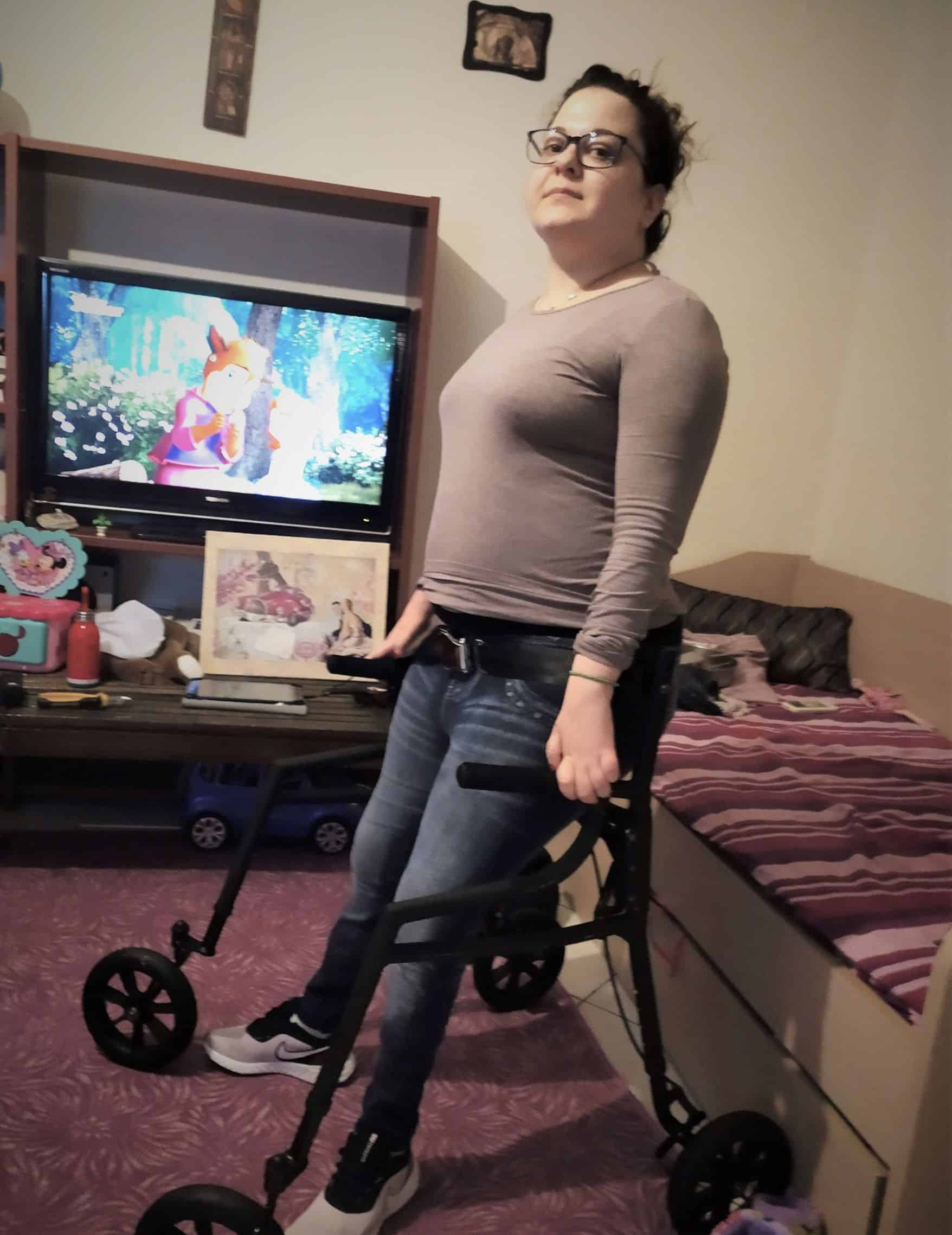
Gianna describes how seeing her mother stand and move around changed her daughter’s response after frightening falls. The film captures their reunion; the written story explains the daily-life changes behind it.
Read the full story ↗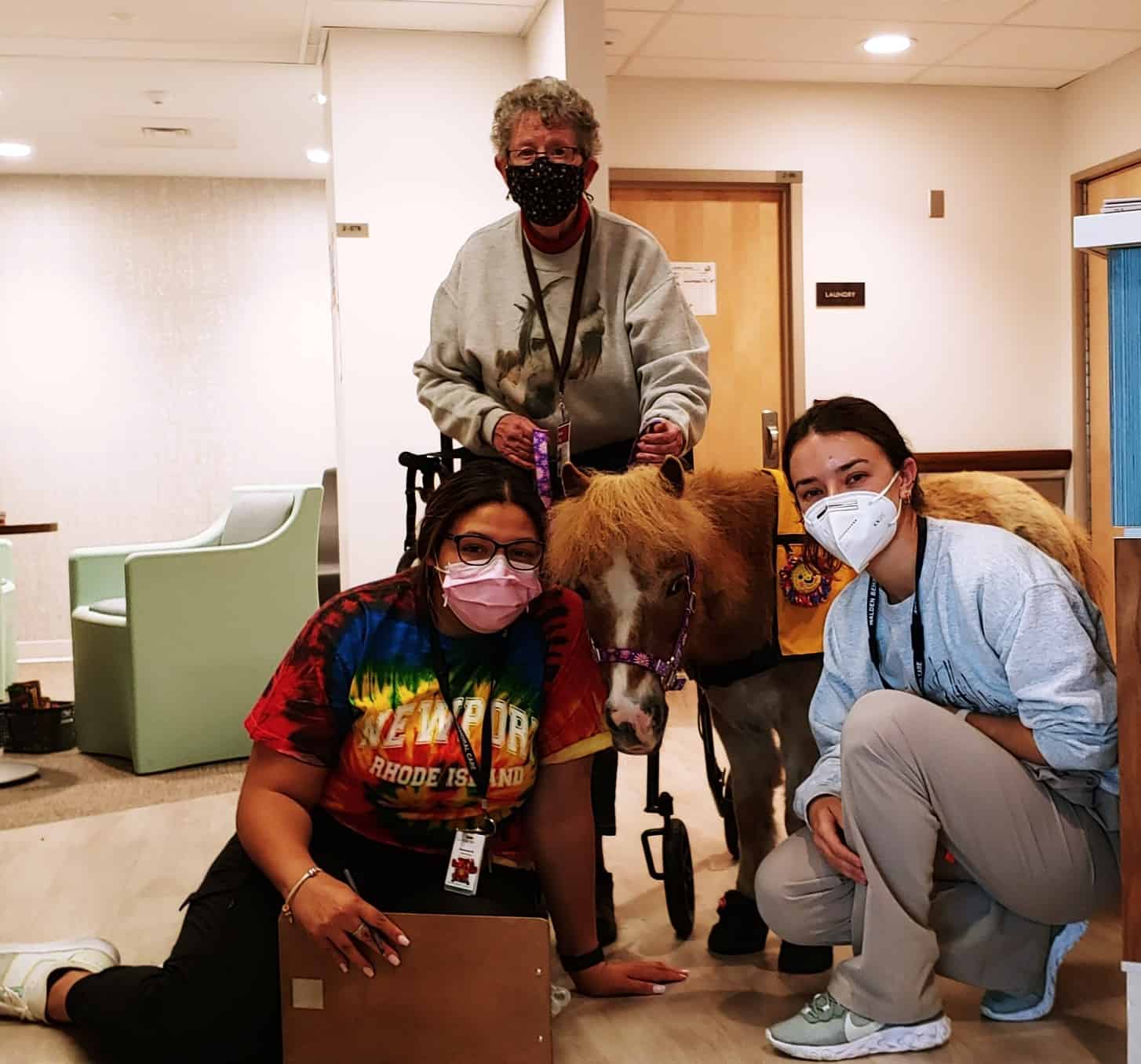
Marsha describes isolation and low mood when she could no longer continue her volunteer visits. Returning to those visits with miniature horse Lily mattered emotionally, and she reports a brighter outlook.
Read the full story ↗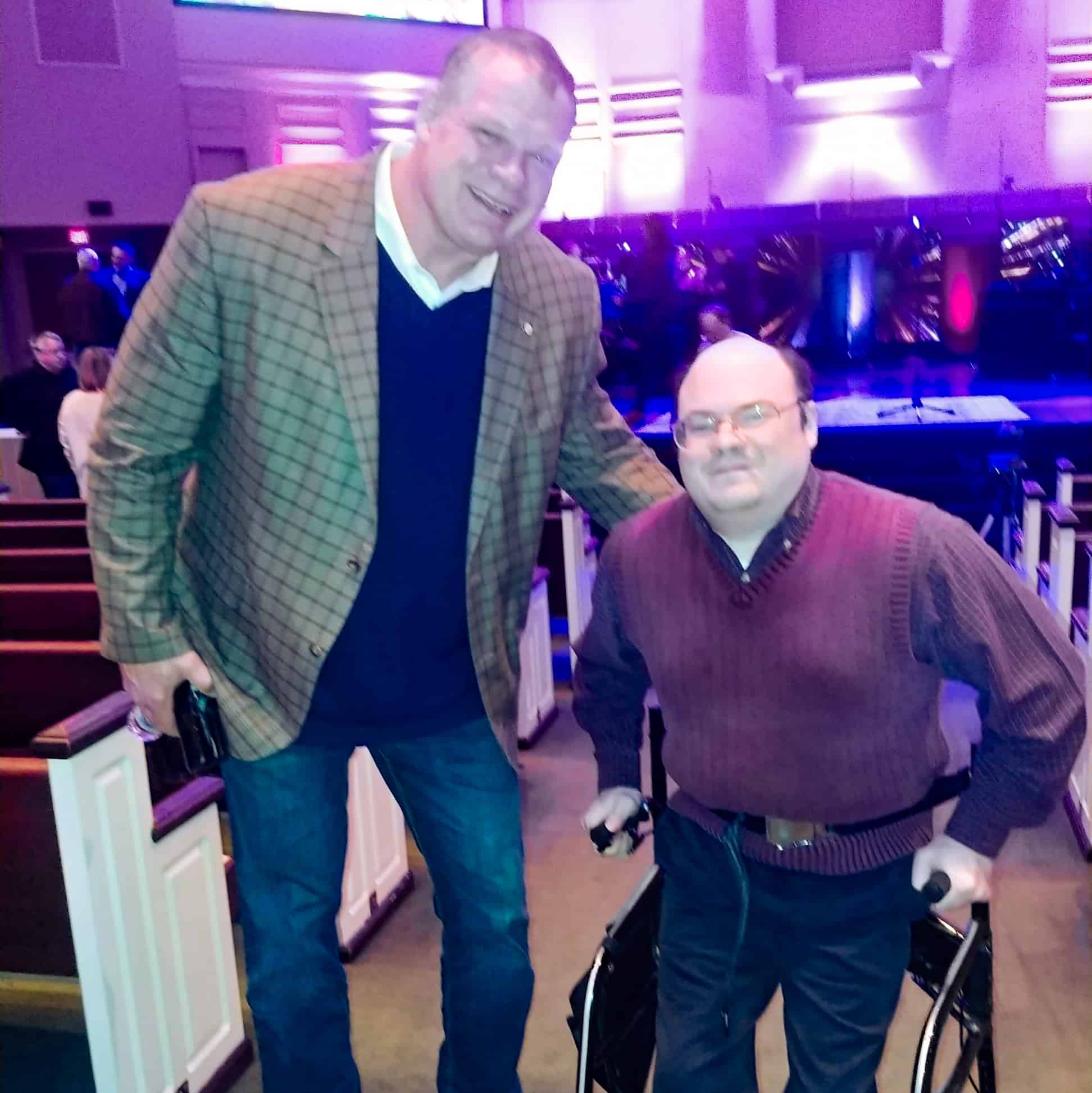
Thomas describes feeling more respected in upright conversations and being able to stand to hug his mother. His account connects supported walking with relationships and how he felt other people saw him.
Read the full story ↗NHS guidance explains that suitable physical activity can help mood, self-esteem and stress, and can offer opportunities to connect with others. Those are general benefits of activity, not evidence that LifeGlider itself treats depression or anxiety.
There is no product-specific mental health trial presented here. LifeGlider is a mobility aid. If low mood, depression or anxiety is affecting you, speak to your GP or mental health professional. Mobility support can sit alongside your care and the activities that work for you.
Work within your own ability and care plan. If activity causes delayed worsening of symptoms, follow your energy-management advice rather than pushing through.
The professional review
Bruce T. Adornato, A Neurologist's View of the LifeGlider, published product review. The short excerpt above is taken from his discussion of reported user benefits.
Our booklet, page 6 contains the existing summary of his view. That summary is separate from the exact excerpt used on this page.
Stanford Medicine: Bruce T. Adornato's professional profile
NHS: Be active for your mental health
NHS: Five steps to mental wellbeing
Personal accounts and Mobility UK observations are labelled separately from professional opinion and general NHS guidance. Information checked 4 November 2026.
Tell us about the everyday activity you would like to make easier. We can explain the features and show you LifeGlider in a free video demonstration.
You can order online. A demonstration is optional. Check height, inside leg and maximum weight before choosing a size.